

The destination has a system to ensure compliance with local, national, and international laws and standards for wildlife interactions. Interactions with free roaming wildlife, taking into account cumulative impacts, are non-invasive and responsibly managed to avoid adverse impacts on the animals concerned and on the viability and behaviour of populations in the wild.
Example: Botswana
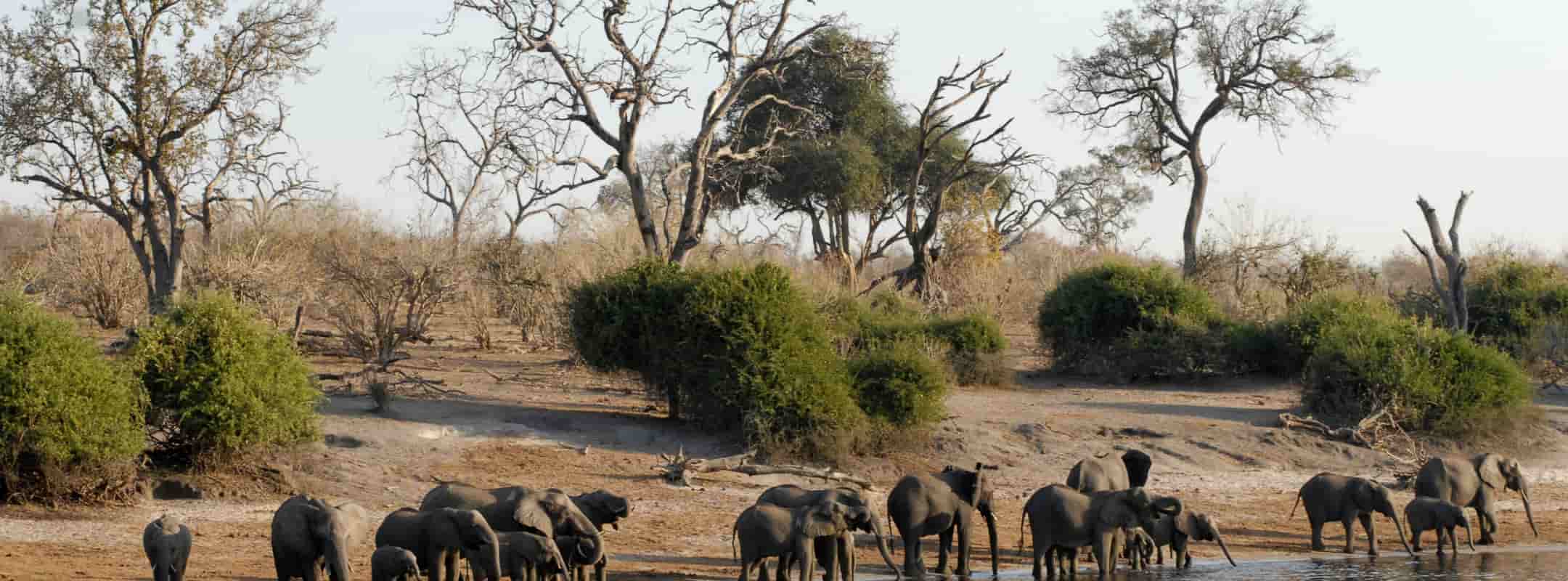
Botswana has established a comprehensive framework of legislation and policies, including the Wildlife Conservation and National Parks Act of 1992, the National Parks and Game Reserve Regulation of 2000, and the Wildlife Conservation (Hunting and Licensing) Regulations of 2001. These are reinforced by strategic policies such as the Wildlife Policy of 2013, the National Anti-Poaching Strategy (2025 – 2030), and the National Human-Wildlife Conflict Strategy and Action Plan (2025-2030), all of which ensure conservation-led, non-invasive management of wildlife. Additionally, each national park and game reserve operates under its own management plan tailored to local ecological needs.
Learn More
Botswana’s National Human-Wildlife Conflict Strategy and Action Plan (2025-2030)