Tourism in Roatan, Honduras Today
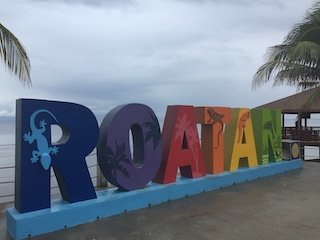
Roatan is an island in the Caribbean, located approximately 65 kilometers off the coast of Honduras. Tourism plays a key role in Roatan’s economy; however, the island faces a range of sustainability challenges. Its growing popularity has led to increased wastewater, pollution, and other environmental pressures, all of which are intensified by rising visitor numbers.
Research indicates that small islands, in general, are more vulnerable to the negative impacts of inadequate destination management. Uncontrolled tourism development can threaten Roatan’s natural and cultural assets, while local communities may be affected by overcrowding and cultural homogenization. Despite these challenges, Roatan’s offshore reef remains one of the healthiest within the Mesoamerican Reef system.
Details on Roatan’s Destination Assessment
Respectively, the World Wildlife Fund (WWF), the Global Sustainable Tourism Council (GSTC), and the Germany Society for International Cooperation (GIZ) supported a destination sustainability assessment of Roatan. It was funded by the German Federal Ministry for Economic Cooperation and Development (BMZ) and the Royal Caribbean Cruises Ltd (RCL). The destination assessment itself was conducted by George Washington University International Institute of Tourism Studies (GW IITS).
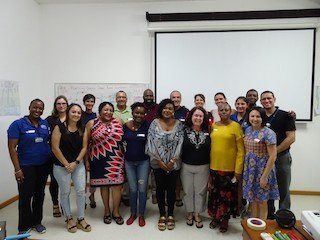
The destination assessment took place from November 2018 through April 2019. It builds on previous research, studies, and initiatives. The assessment provided the local tourism officials and community leaders a snapshot of Roatan’s current level of performance on the GSTC-Destination Standards and the Indicators for sustainable development.
The destination was evaluated based on four main pillars of sustainability: destination policy and planning, community involvement and benefits, management of cultural and natural assets, and environmental issues.
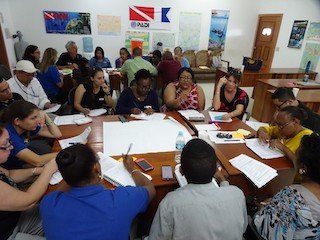
Furthermore, the 2019 destination assessment brought together 60 key stakeholders. Stakeholders included local government officials, representatives from the private sector, and members of the NGO community.
Key Factors and Results from the Assessments
Roatan has been actively working to address these key sustainability priorities for the past eight years. Following the first assessment in 2013, Roatan was encouraged to strengthen collaboration across all sectors. Although this has contributed to a more sustainable tourism industry, there is still further work to be done.
The Bay Islands Destination Management Organization (BIDMO) will serve as the steward of the 2019 Roatan’s action plan towards sustainability. The BIDMO will facilitate dialogues among stakeholders to support Roatan in its sustainable tourism industry journey.
Commitments from Roatan, Honduras
Finally, Roatan has made commendable progress on several destination sustainability issues since the earlier assessment. In 2013, the assessment revealed poor to no performance on 61% of the standards evaluated. In contrast, the 2019 assessment showed poor to no performance on only 29% of the standards. Accepting this second assessment builds upon Roatan’s commitment to destination stewardship.