Practical resources for sustainable tourism professionals
Destination Assessment of The Islands of Tahiti, French Polynesia
The Global Sustainable Tourism Council (GSTC) conducted a Destination Assessment of the Islands of Tahiti, French Polynesia, from August to December 2023. The assessment was led by Dr. Mihee Kang, GSTC Global Assurance Director, with full support from Tahiti Tourisme.
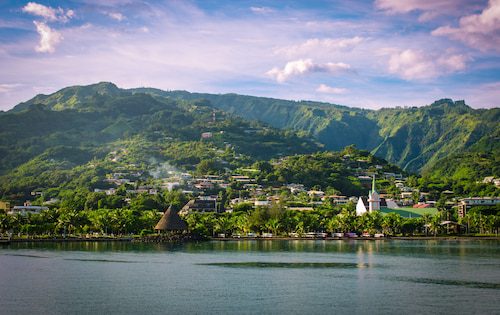
The Islands of Tahiti, located in the South Pacific, are renowned for their scenic landscapes and rich cultural heritage. Tahiti, the largest island in French Polynesia, reflects a blend of Polynesian and French influences in its cuisine, music, and language. The capital city, Papeete, is noted for its vibrant market featuring local crafts and foods.
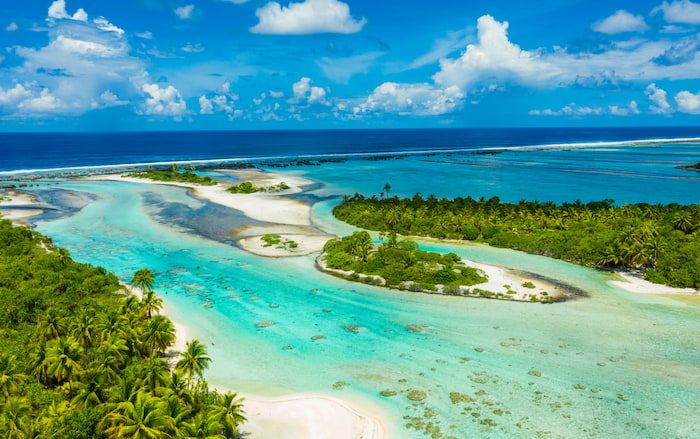
The island’s volcanic mountains, lush rainforests, coral reefs, and clear blue waters create a diverse natural environment that attracts a wide range of travelers.
GSTC Destination Assessment of The Islands of Tahiti, French Polynesia
The GSTC Destination Assessment introduced the Islands of Tahiti to the core elements of sustainable destination management through the application of the GSTC Destination Criteria (GSTC-D).
The assessment provides context and guidance on how Tahiti can lead, partner, or influence stewardship efforts in alignment with the four pillars of the GSTC-D: sustainable management, socio-economic sustainability, cultural sustainability, and environmental sustainability.
Dr. Mihee Kang conducted the assessment through a combination of extensive desktop analysis of current tourism policies and practices, and a 10-day on-site visit that included interviews with local authorities and stakeholders to verify evidence of compliance with the GSTC Destinations Standard (GSTC-D).
Key Takeaways
French Polynesia has made notable strides in sustainable tourism through its“Fariiraa Manihini 2027” (FM27) development plan. FM27 addresses climate change impacts and other social and economic challenges, aims to regulate visitor numbers relative to the local population, and encourages active participation from all stakeholders. However, the destination faces ongoing challenges, including managing over 100 dispersed islands, limited resources, and the influx of international tourists via air and cruise travel.
The assessment found that French Polynesia has well-established policies and practices that support socio-economic sustainability, and its destination management systems are robust. Opportunities remain to further strengthen cultural and environmental sustainability policies and practices.
As the implementation of FM27 progresses, these assessment insights are expected to complement existing policies and address any remaining gaps, supporting a more sustainable future for Tahiti.
“We thank the GSTC for this valuable assessment of our industry, which will serve as a benchmark. This phase will be completed by the results of the Tourism Carbon Footprint study, the Population Sentiment to Tourism survey and the Tourist Satisfaction survey, which will enable us to develop a comprehensive action plan for our sustainable tourism development path.” says Jean-Marc MOCELLIN, CEO of Tahiti Tourisme.
Read the full report of the Destination Assessment ofThe Islands of Tahiti, French Polynesia here.
Statements expressed in this announcement are presented for informational purposes only and should not be taken as an endorsement or recommendation by GSTC, unless clearly stated.