
The destination encourages enterprises to measure, monitor, publicly report and manage water usage. Water risk in the destination is assessed and documented. In cases of high water risk, water stewardship goals are identified and actively pursued with enterprises, to ensure that tourism use does not conflict with the needs of local communities and ecosystems.
Example: Antofagasta Region, Chile
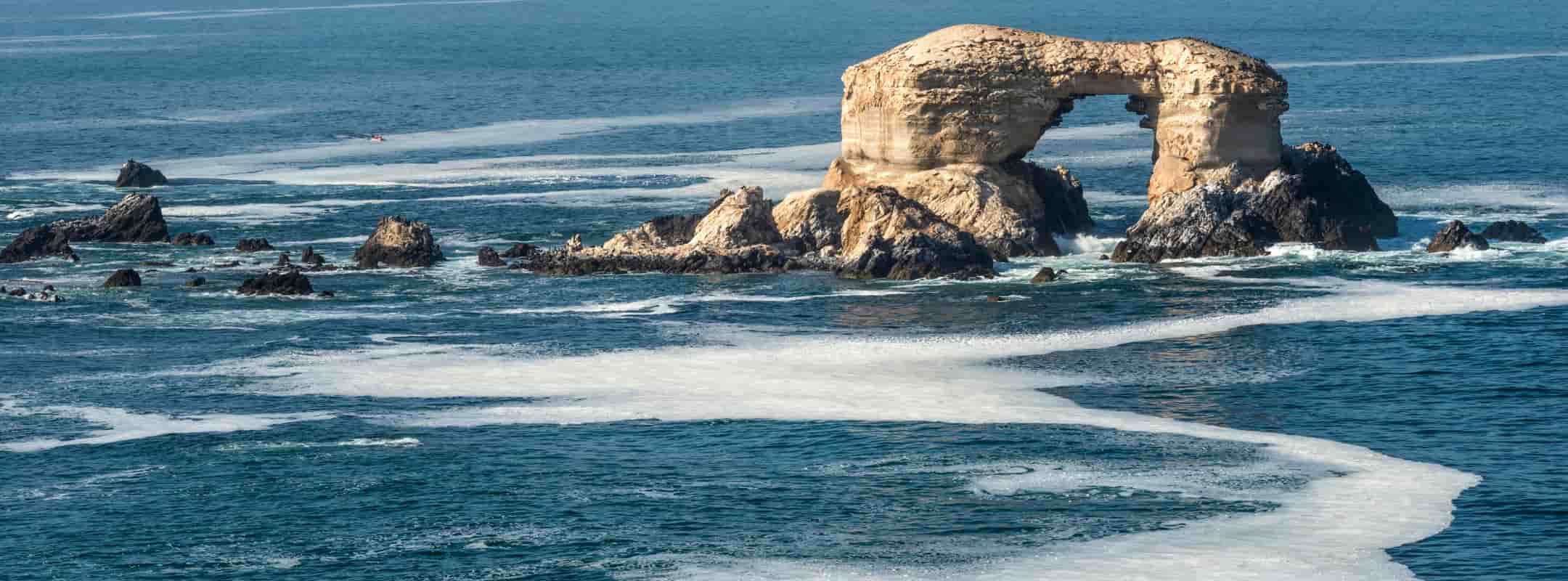
In Chile’s Antofagasta Region, the “Hydraulic Circuit” project addresses severe water scarcity by equipping tourism enterprises with tools to measure, reduce, and manage their water footprint. The initiative includes a Best Practices Manual and a Water Footprint Calculation Tool tailored for local micro, small, and medium-sized enterprises (MSMEs). It promotes efficient water use, informed decision-making, and sector-wide training. The model supports both environmental resilience and the competitiveness of tourism in a high-risk water region.
Learn More
Hydraulic Circuit for Sustainable Tourism in the Antofagasta Region