
Where practical, sites, facilities and services, including those of natural and cultural importance, are accessible to all, including persons with disabilities and others who have specific access requirements or other special needs. Where sites and facilities are not immediately accessible, access is afforded through the design and implementation of solutions that take into account both the integrity of the site and such reasonable accommodations for persons with access requirements as can be achieved. Information is made available on the accessibility of sites, facilities and services.
Example: Singapore
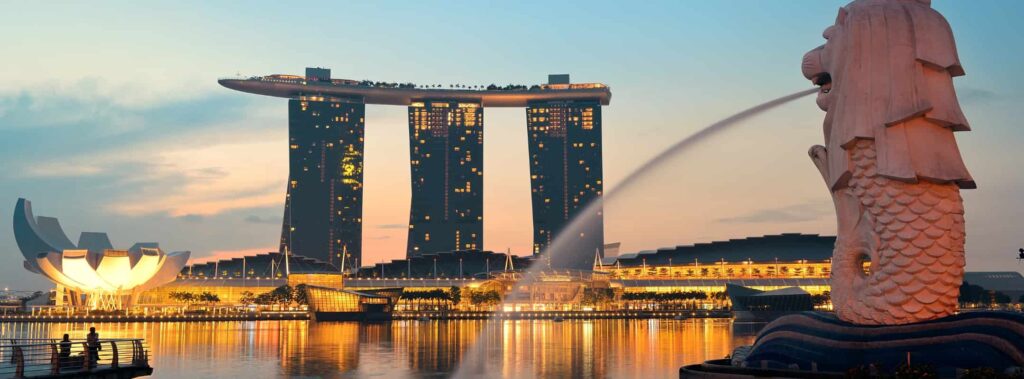
Singapore has had a barrier-free accessibility code in buildings for over 30 years, which is regularly revised to ensure buildings are accessible for everyone, including people with disabilities, the elderly, and families with young children. The code mandates improvements in accessibility for older buildings and includes provisions for accessible restrooms, ramps, and elevators. Over 95% of public spaces, including walkways, bus shelters, and taxi stands, are wheelchair accessible. The Mass Rapid Transit (MRT) system and 85% of public buses are fully accessible, offering independent boarding, tactile wayfinding, and visual-audio guidance. Singapore’s initiatives also include extended crossing times for the elderly and pedestrians with disability, accessible public restrooms, and inclusive attractions.
Learn More
Code on Accessibility in the Built Environment 2025 Building and Construction Authority (BCA)
An Inclusive Public Transport System Land Transport Authority
Accessibility guidelines and best practices SG Enable
Tourism Sustainability Programme Singapore Tourism Board