Nassfeld-Pressegger See-Lesachtal-Weissensee, Austria
Certified by Vireo Srl
by Nina Fábián, NLW Tourismus Marketing
Nassfeld, Lesachtal, and Weissensee are three regions in the southern Alps, located in Carinthia, the southernmost state of Austria, renowned for their breathtaking nature and pristine valleys. Since the 1960s, these regions have been engaged in sustainability efforts, ranging from bans on motorboat use to foregoing the construction of a thoroughfare along Weissensee. Initiatives have shaped tourism, as well as local living and recreation spaces into a sustainably conceived “world of good living.” Along with Tarvisio/Val Canale, the cross-border region in Austria has achieved certification by Vireo Srl, a GSTC-Accredited Certification Body.
Traveling to the Roots of Good Taste
Beyond its natural beauty, the region lays the perfect table for a culinary journey. If you’re a culinary enthusiast, it’s likely you’ve come across the slow food movement – an international initiative that brings together local groups and activists, all committed to a shared vision of making good, clean, and fair food accessible to everyone. Launched in Italy in 1986, the movement has grown to have a presence in over 160 countries around the globe.
The region Nassfeld, Lesachtal, and Weissensee have become the world’s first Slow Food Travel Destination. Or rather, they have been made into one, as this pilot project is lead by the food artisans and producers who have long embraced the Slow Food philosophy in this serene. True to the spirit of leisurely enjoyment, they welcome onlookers into their world, sharing their craft and knowledge.
The region Nassfeld, Lesachtal, and Weissensee have become the world’s first Slow Food Travel Destination. Or rather, they have been made into one, as this pilot project is lead by the food artisans and producers who have long embraced the Slow Food philosophy in this serene. True to the spirit of leisurely enjoyment, they welcome onlookers into their world, sharing their craft and knowledge.
Slow Food Travel Alpe Adria experiences often go a step further by pulling guests out of their passive roles. Those eager to participate can look forward to meeting welcoming individuals ready to demonstrate how much regionalism, fairness, and sustainability are embedded in their products. Work side by side with them and witness firsthand the skill and attention to detail that go into their food creations.
Hiking in Carinthia’s Culinary Corner
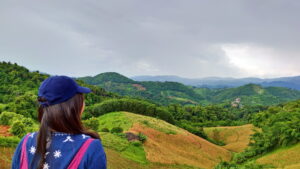
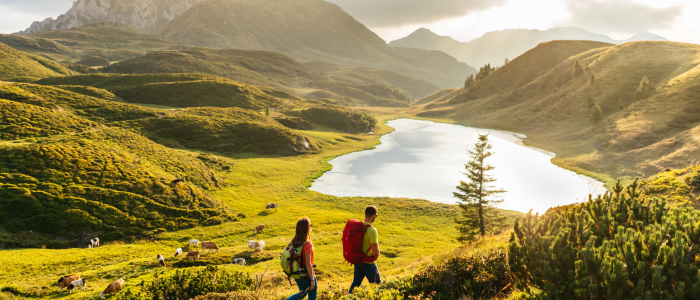
Beyond the culinary hotspots, nature is the true protagonist. The landscape of the Carnic and Gailtal Alps is among the most untouched in the Alps. Hiking in these alpine regions, where farmers produce the renowned Gailtal Alpine cheese, or strolling through sunny mountain villages and along the shores of Lake Weissensee, turns a journey to the culinary roots into a natural vacation experience.
Indeed, the landscape of Lesachtal is extraordinary. As the most untouched valley in Europe, it captivates anyone who visits—whether exploring quaint mountaineering villages or embarking on a journey to the roots of good taste. Time seems to slow down in Lesachtal, making it perfect for those who consciously seek a restorative escape from the daily grind.
Lesachtaler Bread
In September 2018, Lesachtaler Bread became the first Carinthian food product to be awarded the “Presidio” seal by Slow Food International. At the Terra Madra Salone del Gusto event in Turin, Lesachtaler Bread received the Presidio Seal, marking it as “especially worth protecting!”
The tradition of bread-making in Lesachtal encompasses grain cultivation and harvesting in a mountain farming region, the requisite knowledge for constructing mills, and baking bread in home ovens. This tradition contributes to the maintenance of the cultural landscape as much as it preserves typical, job-specific dialect terms.
The term “Lesachtaler Bread” refers not only to the craft of bread baking, it also signifies the human interaction with the cultivated landscape (Lesachtal was once known as the valley of 100 mills), traditional grain farming practices, the corresponding production methods, and the culture of everyday life.
For over 30 years, the senior manager at the farm and hotel has baked the Lesachtaler Bread, renowned beyond the valley’s borders. This art of bread baking is now considered an UNESCO Intangible Cultural Heritage, made from fine natural sourdough, local flour, and water following ancient recipes. No one does it better than Rosa Lanner, who also teaches amateur bakers the proper kneading techniques. She shares her knowledge on starting sourdough, choosing the right spices, and many interesting facts about the history of bread baking. Apprentice bakers can then take their own baked bread home, along with the recipe and bread flour.
First Slow Food Academy of the Alps
To gain knowledge on creating, refining, and appreciating healthy foods—which is crucial for sustainable health, environmental well-being, and climate conservation—the first Slow Food Academy of the Alps has been founded. The yearly program delivers an engaging educational experience for those dedicated to nutritious eating. Its core themes focus on teaching about local diets and mindful food consumption at fair prices, closely linking pleasure, health, and eco-friendliness.
Held across various venues in the Nassfeld-Pressegger See, Lesachtal, Gailtal, Gitschtal, and Weissensee areas, these programs are led by expert lecturers and local collaborators. The goal is to understand the positive impact of wholesome foods on humans, animals, and our planet in its complexity and entirety.
This article was featured in the Destination Stewardship Yearbook 2022-2023, a collection of articles from the Destination Stewardship Reports. Co-produced by the Destination Stewardship Center, Center for Responsible Travel, and Global Sustainable Tourism Council.