Noosa Shire, Australia
Certified by EarthCheck
By Andrew Saunders, Economic Development Advisor, Destination Management, Noosa Shire Council
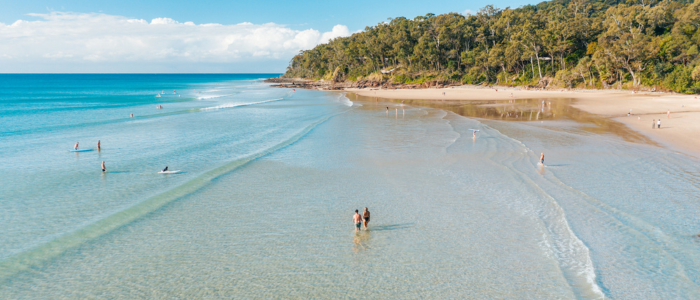
Nestled on the subtropical coastline of Queensland, Australia — approximately 140 kilometres north of Brisbane — Noosa Shire is defined by its pristine beaches, healthy waterways, expansive hinterland wilderness, and vibrant local culture. It is not only one of Australia’s premier visitor destinations, but also a place where long-term environmental and cultural sustainability is deeply embedded in the community’s identity.
At the heart of Noosa’s approach are long-standing community values that prioritise environmental protection and quality of life. These values are not only reflected in daily life but are also formally embedded in policies, planning frameworks, and partnerships. Together, they form the foundation of Noosa’s destination and land management strategies, closely aligned with the GSTC Destination Standard.
A Legacy of Environmental Leadership
Noosa’s commitment to environmental stewardship began in the 1960s when residents and Noosa Council united to protect the region’s natural assets and put in place development restrictions. This led to the protection of natural zones and planning innovations that restricted high-rise developments and over-commercialisation — a stance that continues to define Noosa’s identity.
Today, approximately 43% of Noosa is protected under conservation with a goal to increasing this to 50% by 2030. This long-term vision reflects a dedication to sustainable living and ecological integrity.
Cultural Stewardship with the Kabi Kabi People
A cornerstone of Noosa’s destination management is its partnership with the Traditional Custodians, the Kabi Kabi People. The region is situated on the ancestral lands of the Kabi Kabi, whose cultural knowledge, environmental practices, and spiritual connection to Country are foundational to sustainable management.
The Kabi Kabi Commitment is a partnership program developed by the Kabi Kabi People with Noosa Council that supports meaningful, long-term
collaboration in destination planning and management. This partnership ensures that First Nations values are embedded in how the destination is cared for and presented to the world.
Recently, Kabi Kabi Land and Sea Rangers began working alongside Council officers in environmental monitoring, cultural heritage protection, and landscape restoration. This respectful, hands-on collaboration supports intergenerational knowledge sharing and exemplifies the GSTC’s emphasis on engaging Indigenous communities in destination planning and management.
Community at the Core
One of Noosa’s most distinctive strengths is its active and engaged community. Residents consistently champion environmental protection, lifestyle preservation, and a balanced approach to tourism growth. Public consultations, advisory panels, and widespread volunteerism reflect deep civic pride and a shared belief that tourism must serve the community — not the other way around.
A recent liveability survey confirmed this, with environmental protection ranked as the highest community value. This high level of local involvement reinforces that destination stewardship in Noosa is a shared responsibility.
Aligning with Global Best Practice
This strong foundation and leadership by the community and Noosa Council laid the groundwork for Noosa to become the first Local Government Area in Australia to achieve EarthCheck Silver Certification under the EarthCheck Destination Standard. As part of a five-year journey toward Gold Certification, this achievement places Noosa among a global network of destinations recognised for independently verified sustainability performance.
Noosa’s alignment with the GSTC Destination Standard is evident across many fronts: participatory planning, biodiversity conservation, carbon and waste reduction, and a move towards a regenerative approach to tourism. The integration of the EarthCheck and GSTC frameworks reinforces the view that tourism should be a positive force — enhancing community well-being and protecting the natural and cultural assets that define Noosa.
UNESCO Biosphere and World Surfing Reserve
Noosa was designated a UNESCO Biosphere Reserve in 2007, recognising its success in balancing conservation, economic development, and education. This designation supports community-led and research-backed initiatives, including habitat restoration, waterway monitoring, and promotion of Indigenous cultural heritage.
In 2020, Noosa was also recognised as a World Surfing Reserve, one of only a few globally. The title honours the region’s exceptional surf breaks and the local community’s commitment to coastal protection, marine biodiversity, and the celebration of surf culture as a key element of local identity.
Building a Sustainable Destination Brand
As Noosa’s official destination marketing organisation, Tourism Noosa plays a vital role in positioning the region as a leader in sustainable and responsible tourism. In close collaboration with Noosa Council and the local community, Tourism Noosa has embedded sustainability into its brand narrative — promoting Noosa as a place where nature, culture, and lifestyle are deeply valued and carefully protected. but a defining feature of the destination’s identity.
Tourism Noosa has introduced several award-winning initiatives under the Tread Lightly Noosa umbrella. Programs such as Plastic Free Noosa and Trees for Tourism links visitor activity with waste minimisation, local conservation, and habitat restoration. To further embed sustainability into the visitor economy, Tourism Noosa developed its innovative ‘50 Shades of Green’ Event Sustainability Guidelines, which provide practical tools and standards for event organisers to minimise waste, emissions, and environmental harm. Aligning with a number of GSTC’s Destination Standards, these initiatives, have reinforced Noosa’s position as a truly sustainable destination.
Destination Stewardship in Action
Noosa’s story offers a compelling case study in the kind of integrated, locally led destination stewardship promoted by the GSTC. The alignment between Noosa Council’s long-term planning, the EarthCheck benchmarking and certification process, the global frameworks of UNESCO, GSTC Standards, and active community participation forms an ecosystem that few destinations achieve.
Challenges do remain. Issues like, visitor pressures during peak seasons, housing affordability for local workers, and the pressures from regional growth all require ongoing management. However, Noosa’s commitment to continual improvement, fact-based decision making, and transparent community engagement gives it a robust platform for navigating these complexities.
Noosa – a Model for Others
Noosa’s ongoing alignment with community values and the GSTC Destination Standard reflects a clear and deliberate roadmap for sustainable destination management. It recognises that true destination stewardship is not a one-time achievement, but a continuous process of reflection, adaptation, and collaboration.
At a time when destinations around the world face growing pressure to expand their visitor economies, Noosa stands apart by prioritising growth that enhances quality of life — for both residents and visitors. Its legacy lies not only in the beauty of its landscapes, but in the enduring strength of its community-led stewardship.
This article was featured in the Destination Stewardship Yearbook 2024-2025, a collection of articles from the Destination Stewardship Reports. Co-produced by the Destination Stewardship Center, Center for Responsible Travel, and Global Sustainable Tourism Council.