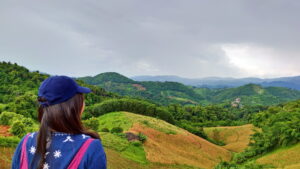

Aspen, USA
Mountain IDEAL Certified by Green Destinations
By Eliza Voss, Vice President Destination Marketing, Aspen Chamber Resort Association
Aspen, Colorado is nestled in the heart of the White River National Forest, at the confluence of the Roaring Fork River, Hunter Creek, Maroon Creek, and Castle Creek, and is encircled by the peaks of the Elk Mountain Range in the central Rocky Mountains.
Originally inhabited by the Ute Indian Tribe, Aspen became a mining town during the silver boom of the late 1800s. Today, Aspen is home to over 6,500 people and is known for its breathtaking natural beauty and world-class skiing.
A Mountain Town for All Seasons
While Aspen is famous for its winters, every season has an abundance of outdoor adventures, making it a year-round destination. In addition to outdoor recreation, Aspen’s diverse array of arts and culture events make it a truly unique mountain town. Many local organizations are dedicated to hosting events, educational opportunities, and performances ranging from classical music to theatre. With a variety of enriching experiences and over 400+ miles of hiking and biking trails, the hardest part is deciding what to do first!
The emergence of skiing, and perhaps more importantly, Walter and Elizabeth Paepcke’s arrival in Aspen, sparked the town’s modern-day renaissance. The Paepcke’s saw Aspen as a place where mind, body, and spirit could flourish. Ever since, Aspen has been a tourist destination, attracting visitors from across the globe.
Response to Tourism Growth
The summer of 2017 saw an unprecedented number of climbing tragedies on Aspen’s local mountains. In addition, we were experiencing a statewide population boom with new residents (over 100,000 each year) looking to recreate outdoors. During this time the community realized it was necessary to launch a campaign educating enthusiastic newcomers about how to enjoy the town’s beautiful natural resources in both a responsible and respectful manner. These efforts included visitor dispersion tactics and visitor education, with campaigns such as “How To Aspen” and the creation of the Aspen Pledge, but the tourism industry soon realized it had been neglecting its largest stakeholder: residents.
Aspen’s Destination Management Plan
In the spring of 2021, the Aspen Chamber Resort Association (ACRA) kicked off the destination management plan to expand on existing tactics and formalize them into a strategic plan. The plan prioritized Aspen’s resilience by protecting quality of life for residents, while simultaneously preserving the visitor experience.
Sustainability in all forms – environmental, economic and social – served as motivation for the development of the destination management plan and are a constant theme throughout. The process involved deep engagement with Aspen’s visitor economy stakeholders, including hoteliers, governmental entities, Aspen Skiing Company, business owners and board members as well as research, interviews, surveys, town halls and a co-creation lab with residents.
ACRA launched the Aspen Destination Management Plan in 2022 with three main pillars designed to address the challenges Aspen faces:
- Address Visitor Pressure
- Enhance the Aspen Experience
- Preserve Small-Town Character
Each of these pillars has strategies to provide guidance towards actionable solutions to sustain and regenerate Aspen as both a destination and place to live.
Certified for Sustainability
Another key milestone identified in the plan was the pursuit of Mountain IDEAL Certification through Green Destinations, accredited by the Global Sustainable Tourism Council (GSTC), to preserve and regenerate the natural environment. This served as the main strategy to track progress and measure the sustainability of the destination. While the pursuit of certification is a huge undertaking, it offers an incredible way to view the entirety of sustainability efforts occurring within the destination – from wastewater treatment to arts and cultural events.
During the certification process, the team occasionally encountered incredulous interviewees who would respond to the standard questions with, “Of course we are doing that, you can’t be in this space in Colorado and not be doing that.” ACRA gained many insights from organizations that hadn’t been interacted with in the past. Another important realization during this process was that Mountain IDEAL standards, recently rebranded to IDEAL, provide an excellent baseline while providing an opportunity to work within the community to improve existing efforts, push boundaries, and once again be recognized as leaders in the sustainability space.
Strengthening Local Businesses
In addition to environmental sustainability, ACRA continues to pursue social sustainability by sponsoring events that contribute to Aspen’s small-town character, like the Friday Uphill Breakfast Club, and engaging in 360-degree feedback through resident and visitor surveys that ultimately inform important initiatives.
Economic sustainability is dependent on our business community being able to house and provide essential benefits to their employees. As a hybrid Chamber of Commerce and DMO, ACRA is well positioned to support the businesses not only with traditional member benefits, but also through a partnership with the City of Aspen and the Green Business Network of Colorado. This program provides technical assistance to local businesses looking to enhance or improve their sustainability practices. Simultaneously, ACRA is advocating for transportation and housing solutions for the backbone of the resort economy: employees.
Building a Sustainable Future Together
Sustainability has been the driving force behind the Aspen Chamber Resort Association’s initiatives for many decades, long before ‘destination management’ became a buzzword in the industry. The development and the deployment of the Aspen Destination Management Plan incorporated feedback from the residents and really gave permission to the organization to funnel work into the three pillars of the plan and ensure Aspen is a sustainable place to live, work and play for generations to come.
This article was featured in the Destination Stewardship Yearbook 2024-2025, a collection of articles from the Destination Stewardship Reports. Co-produced by the Destination Stewardship Center, Center for Responsible Travel, and Global Sustainable Tourism Council.